

We were going to the back of beyond.
Now those are not my words, but the words of a descendent of the last resident of Loch Glencoul bothy. They explain in an info pack to be found at the bothy that “coul” in the bothy name comes from the Gaelic word “cul”, meaning back, and so the name means glen in the back of beyond.
A little harsh maybe as you can see the village of Kylesku and the main road north and south along the loch from the bothy. But there was definitely a feeling that we were far from home.
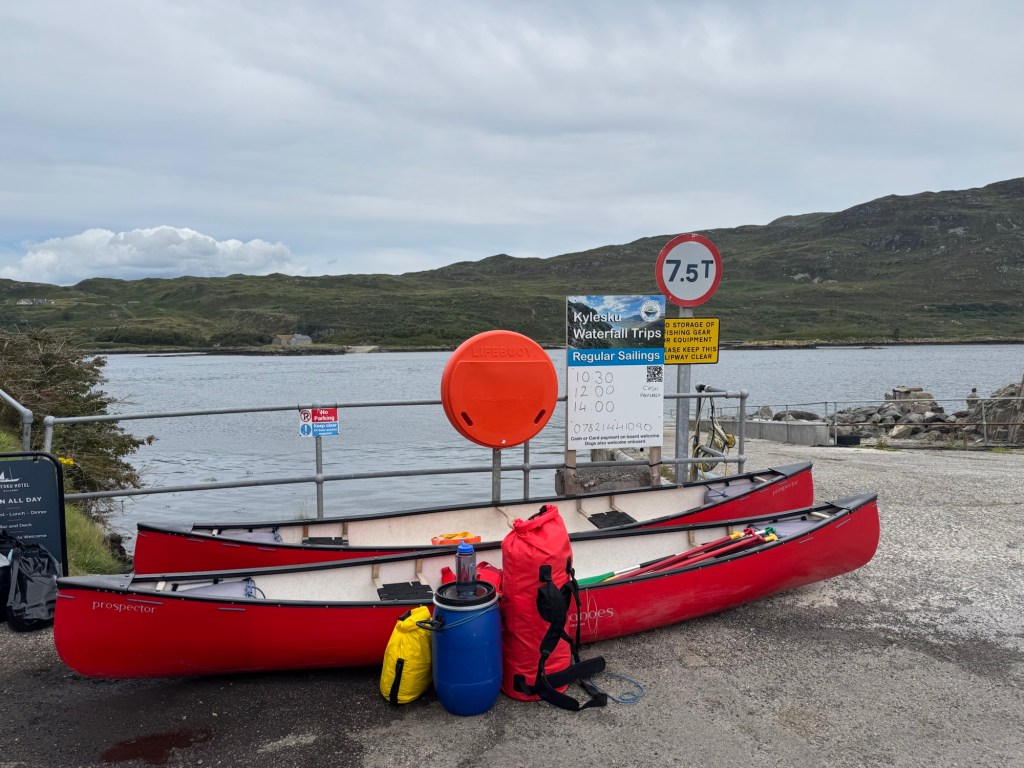
The slipway at Kylesku was our starting point for this adventure.

Unloading and packing the boats on the slipway before moving the cars to the parking area just up the hill off the main road was the final piece in a journey that had been in the planning for a long time. This was the third attempt at making this trip happen and it was surreal that we were there, standing on the slimy concrete, finally ready to go.

Our goal for the first night was to reach the bothy at the head of Loch Glendhu. Glendhu means dark glen and is due to the three months of each year that the sun can’t reach the house because of the high mountains on each side of this fjord-like loch (again according to the info pack mentioned earlier).
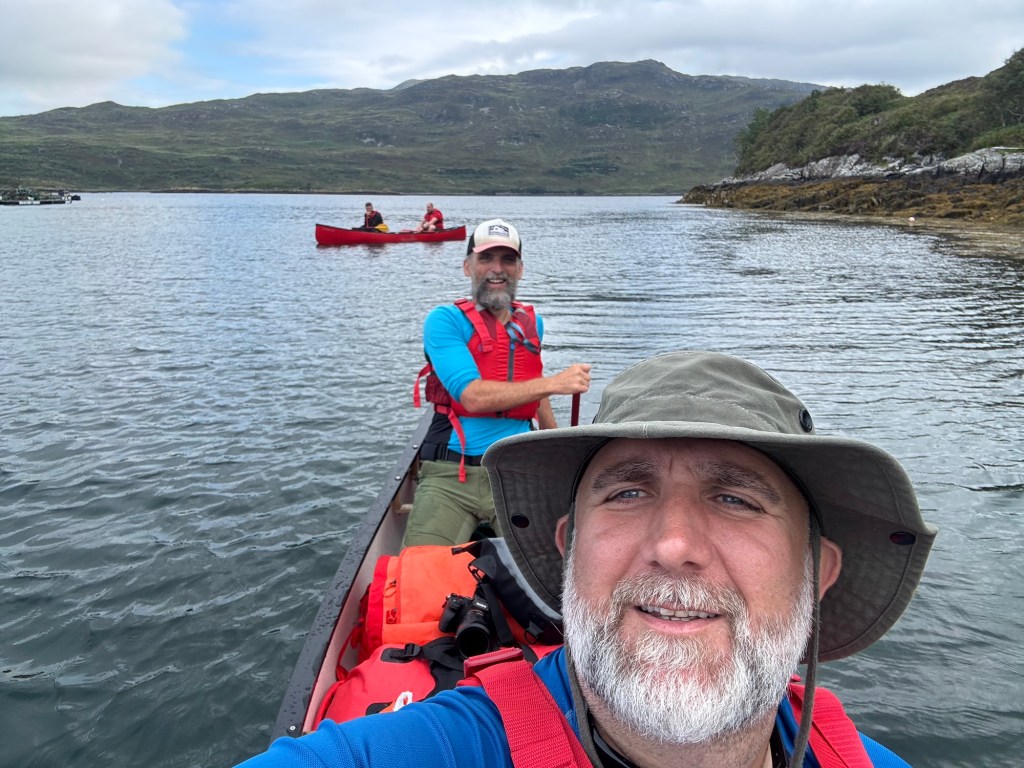
The going initially was quite choppy as we moved through the clear water. The wind, swell and waves of this sea loch gave me some jitters as I got used to the boat and found my rhythm. We stopped a couple of times to savour the surroundings and snack. We saw lots of wildlife, including a seal which popped up at regular intervals.


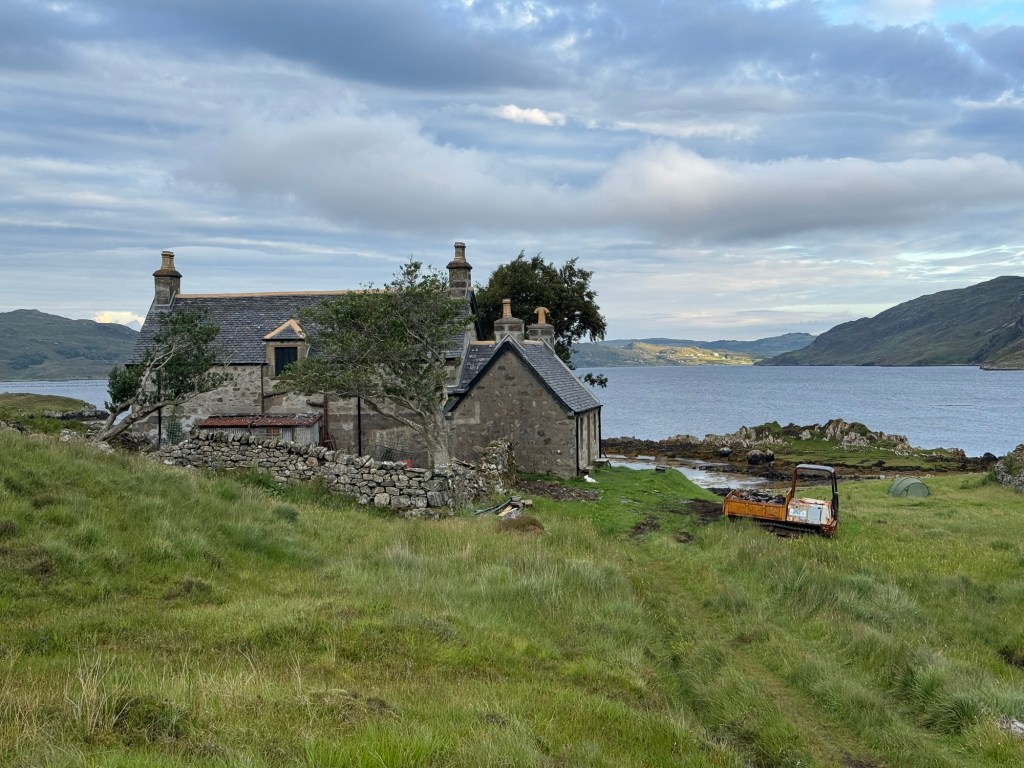
After about three hours paddling, we reached Glendhu bothy, which sat just up the stony beach from the shore but was almost surrounded by steep slopes.
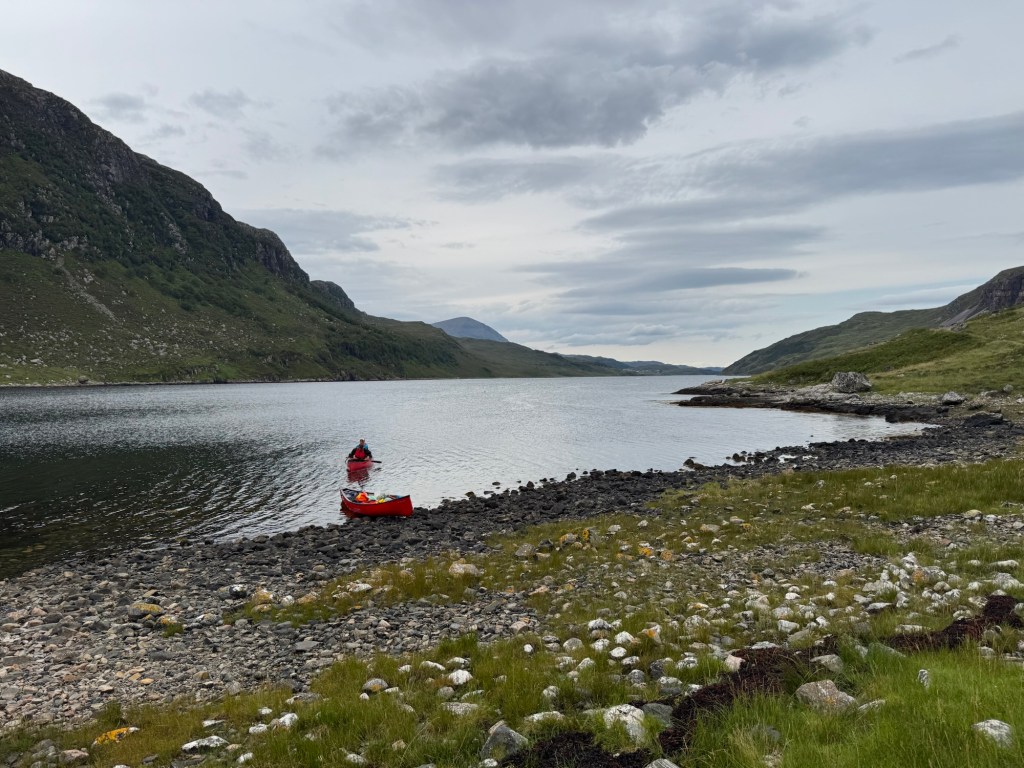
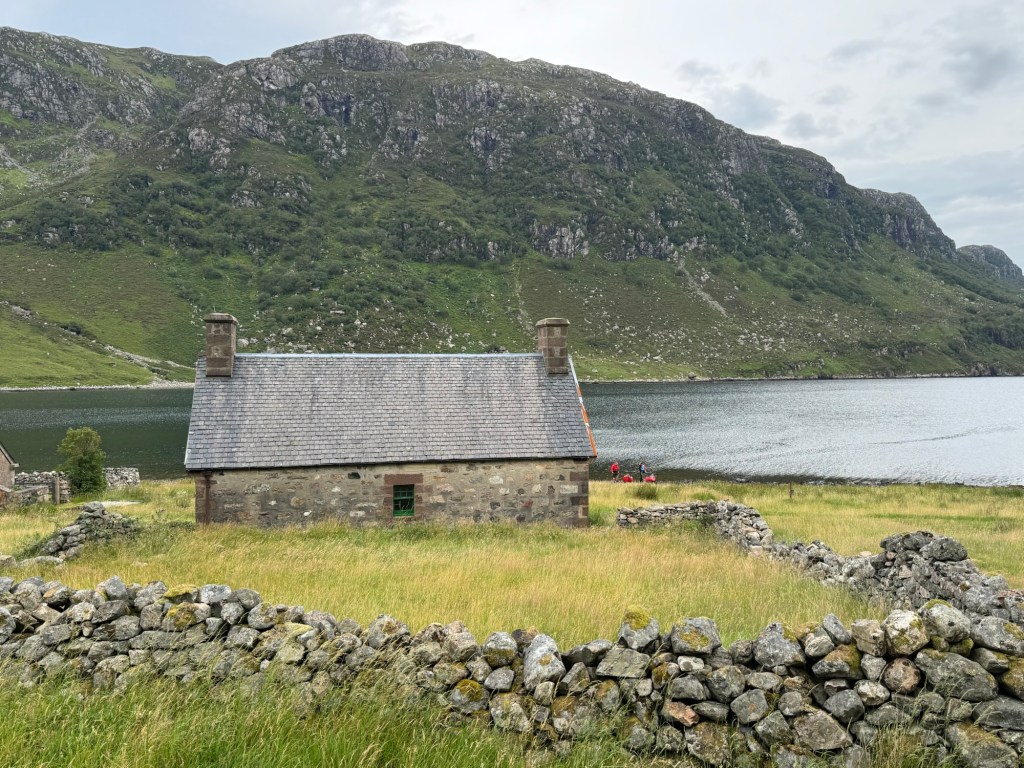

We moved our gear to the bothy and settled the boats into their grassy beds.
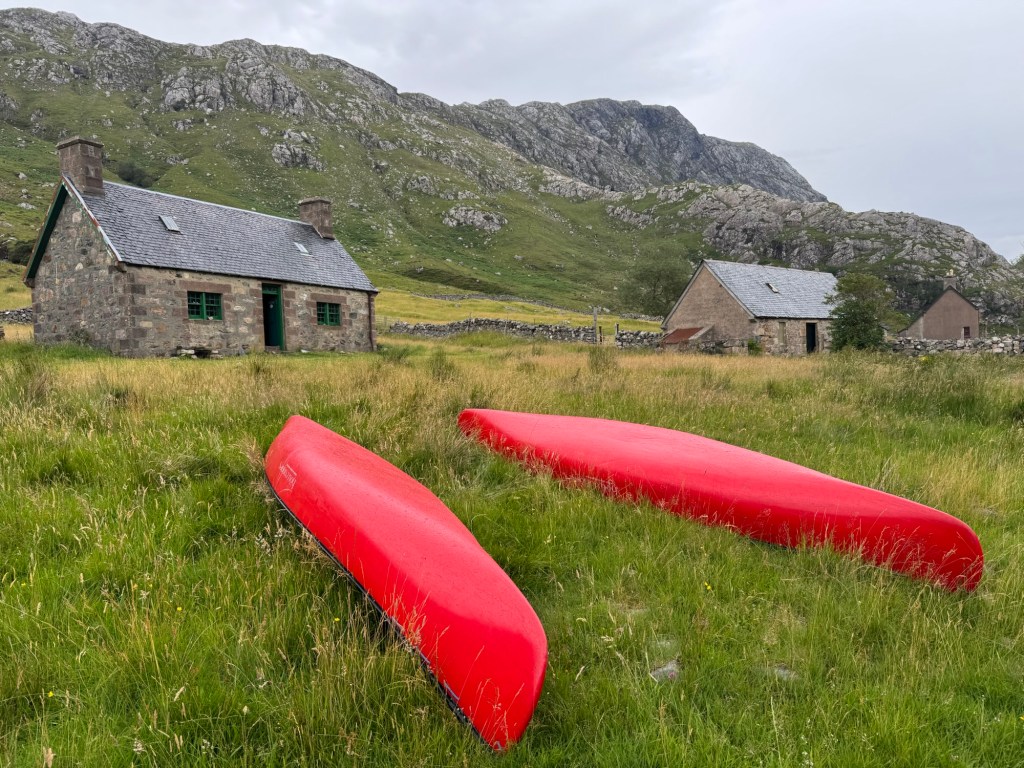
After a wee explore, we went for a swim in the loch and our friend the seal came up to play. We then had a well deserved meal and settled down with a whisky in front of the fire.


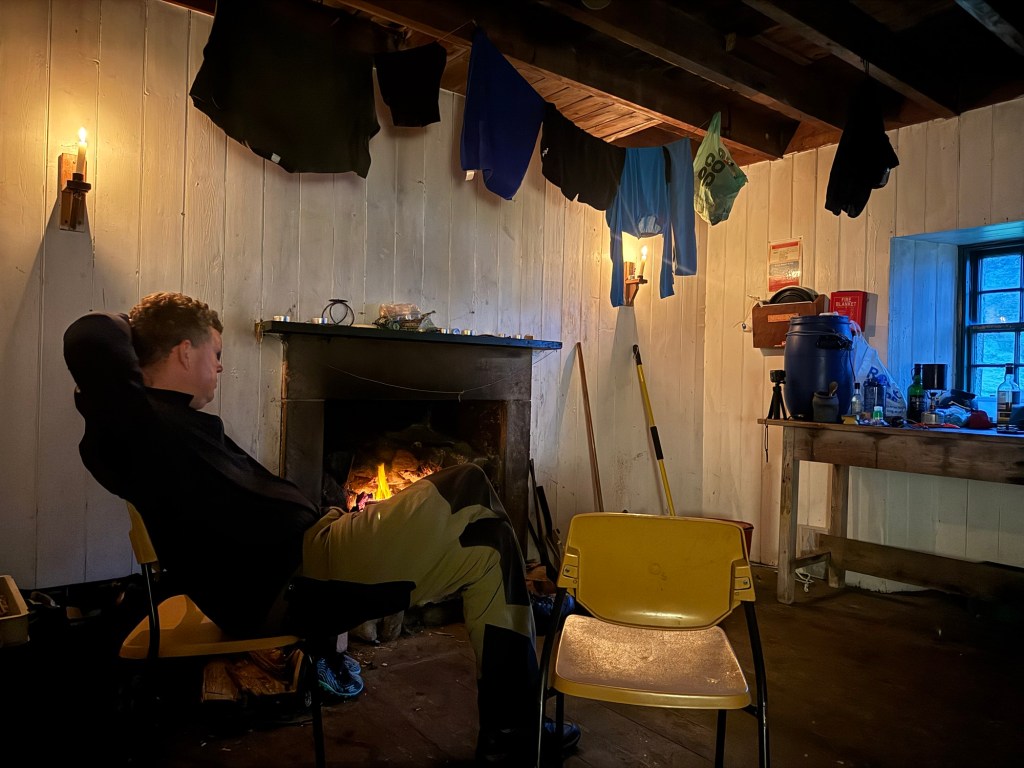
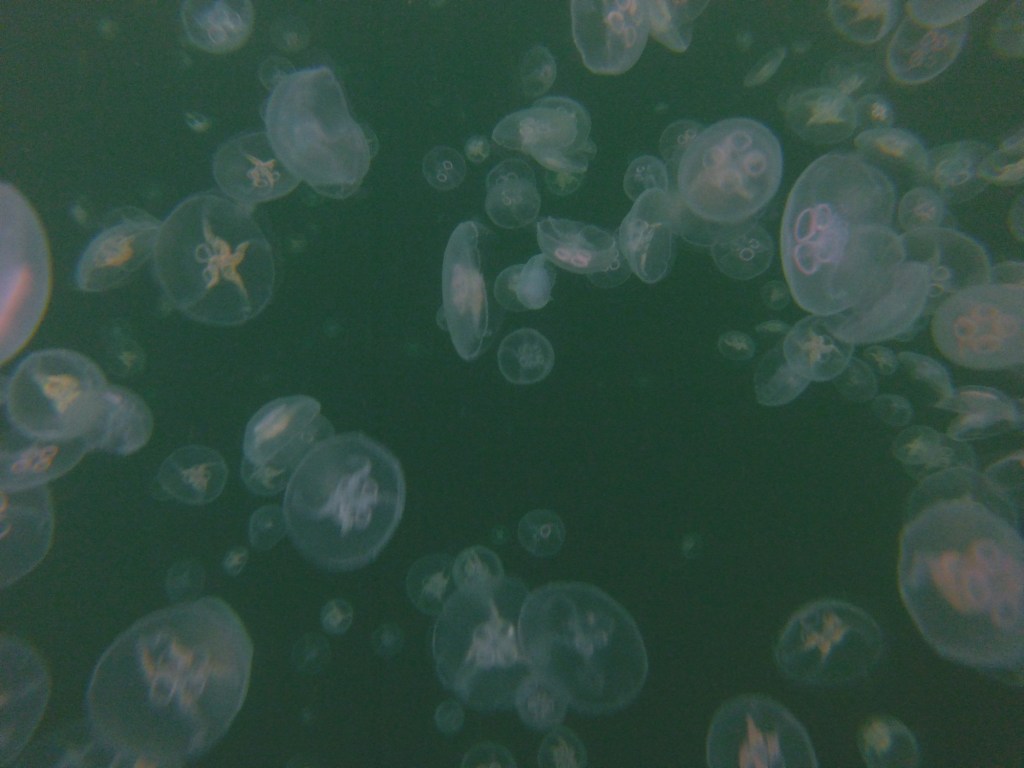
After a good sleep and bacon for breakfast, we started a new days paddling. The scenery was stunning and the jellyfish plentiful.
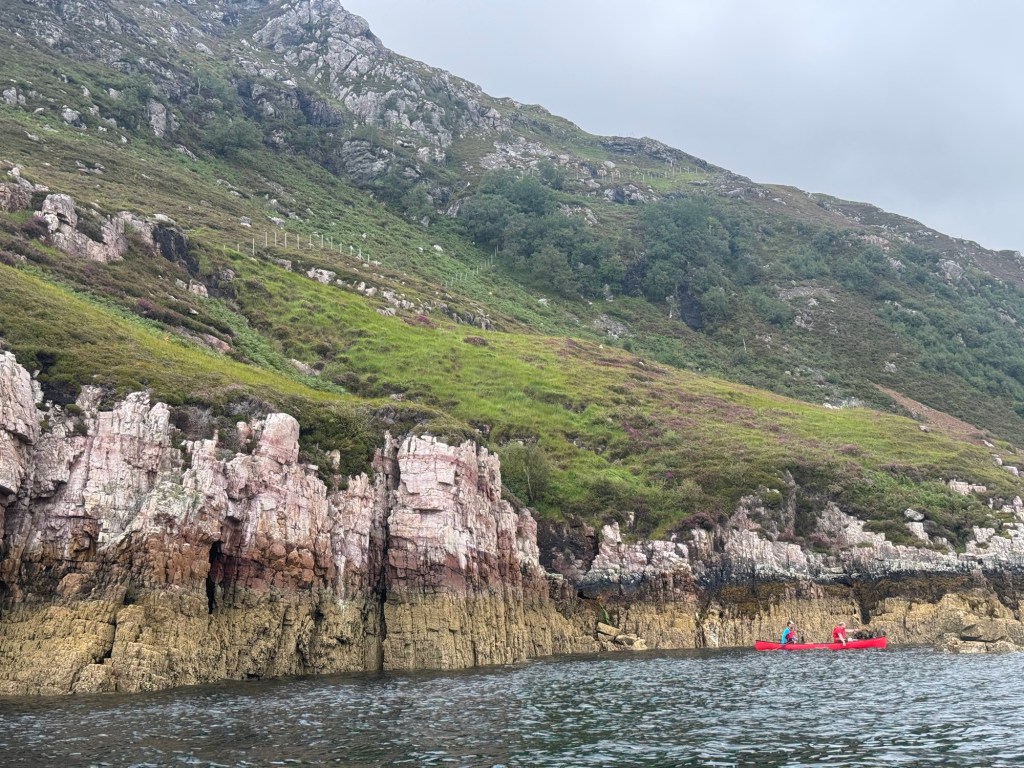
We arrived at Glencoul bothy in the pouring rain but in high spirits after a mornings paddling.

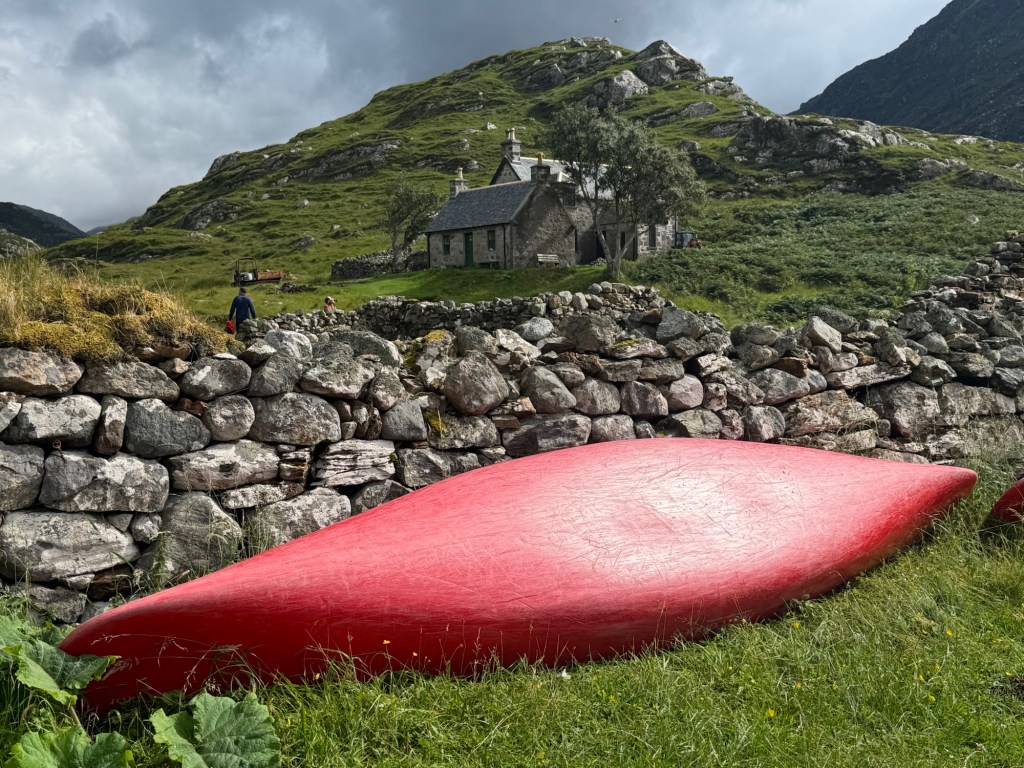
The sun came out to play and we could see the UK’s highest waterfall as we explored the bothy vicinity.


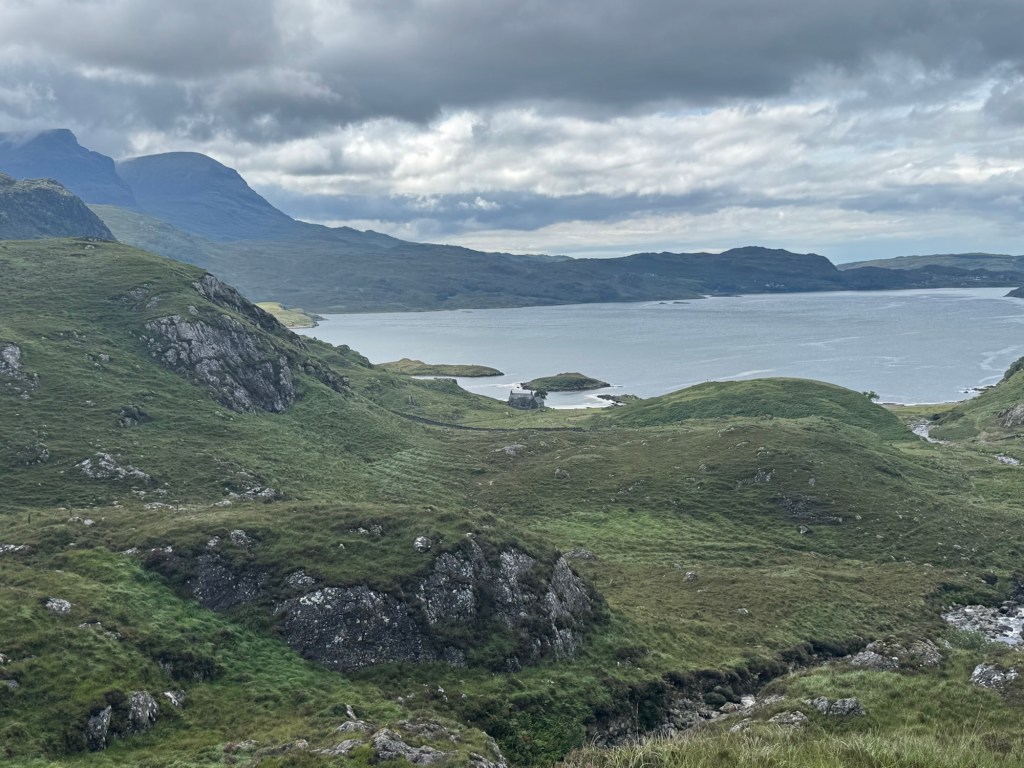
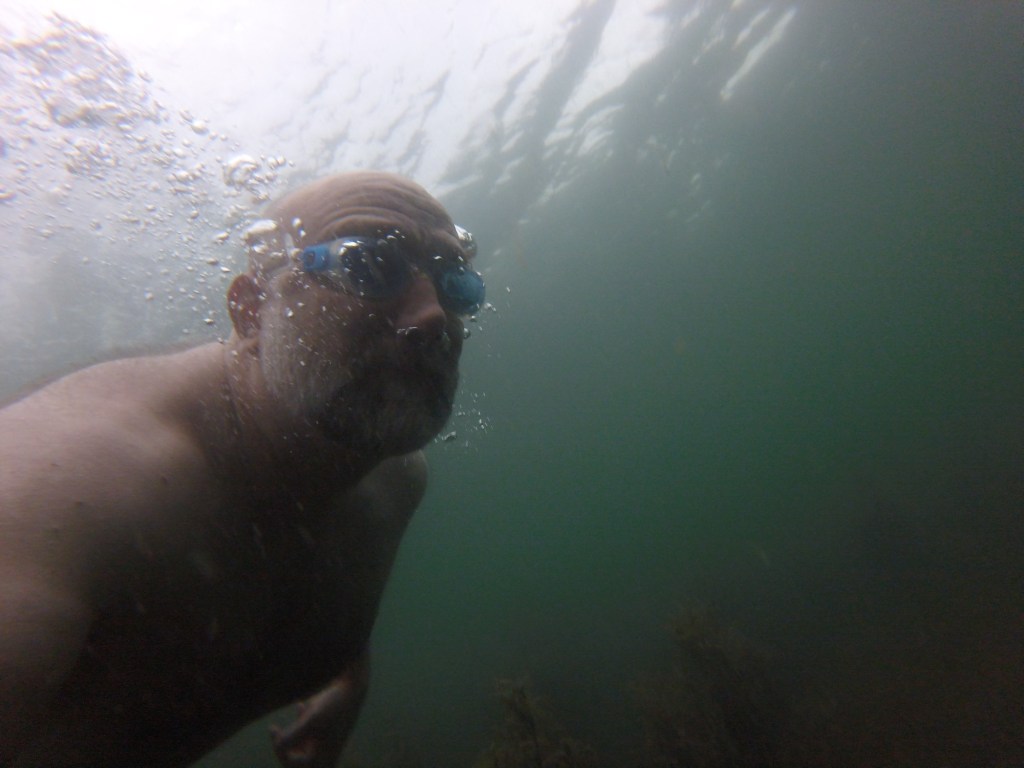
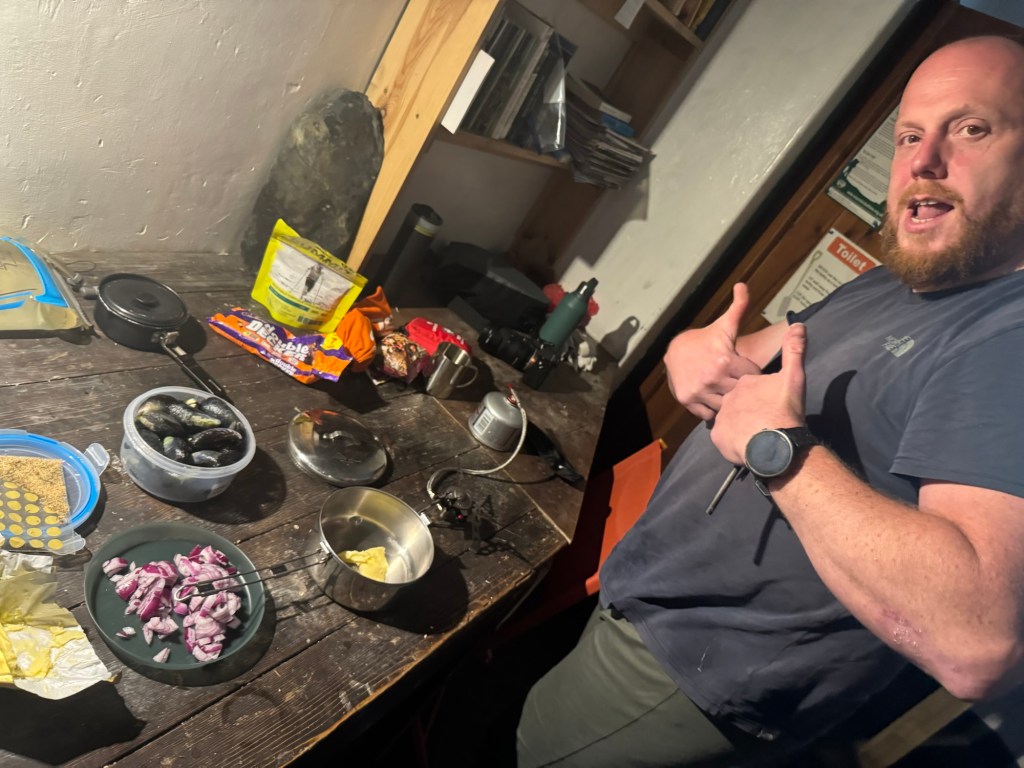
We’d heard there were mussels in the loch so we grabbed our goggles and looked for some ledges which might house some tasty shellfish. And mussels we found! We removed the barnacles and the beard, we scrubbed them clean and Paul did a great job of cooking them. We’d brought white wine and a spice mix just in case and they tasted amazing fresh out of the water.

The next day was our last and our paddle home. In the picture below, you can see Kylesku at the other end of the loch sunbathing.


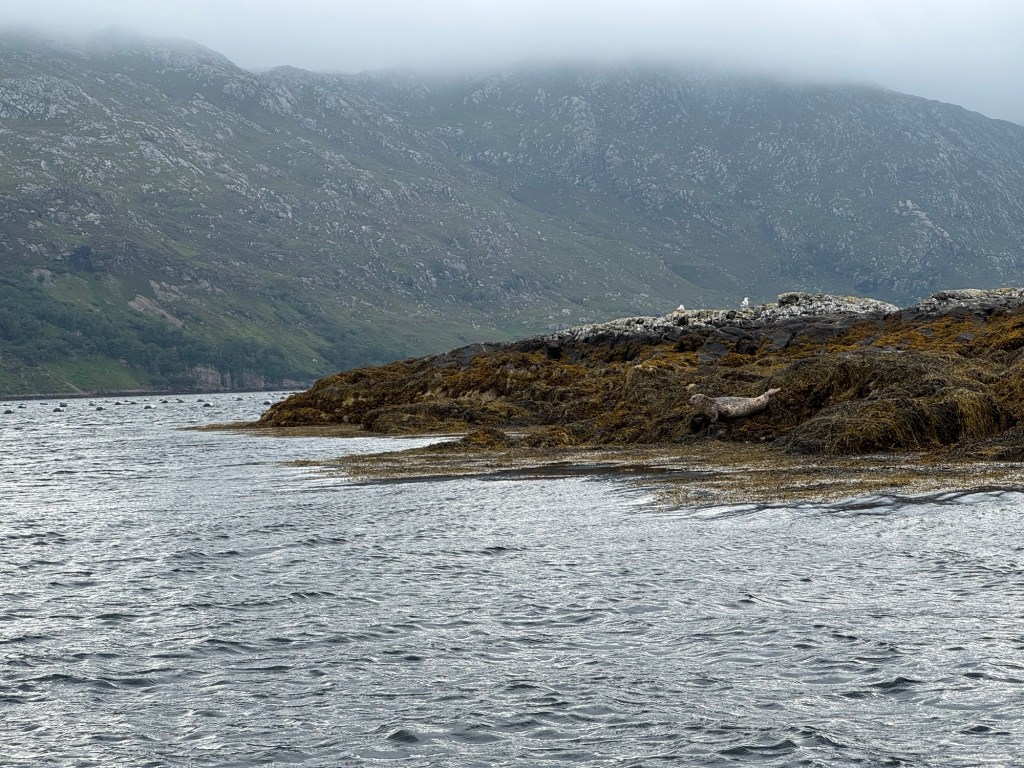
More seals were to be founds on the islands of Loch Glencoul.
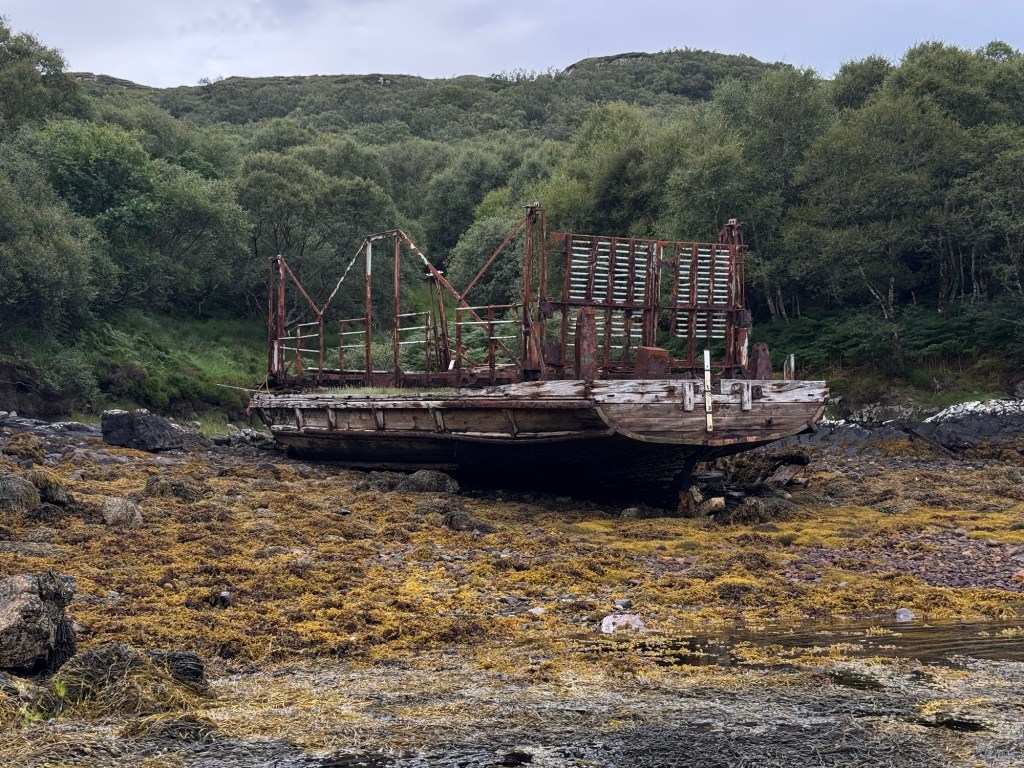
As we reached Kylesku we also found the old ferry.
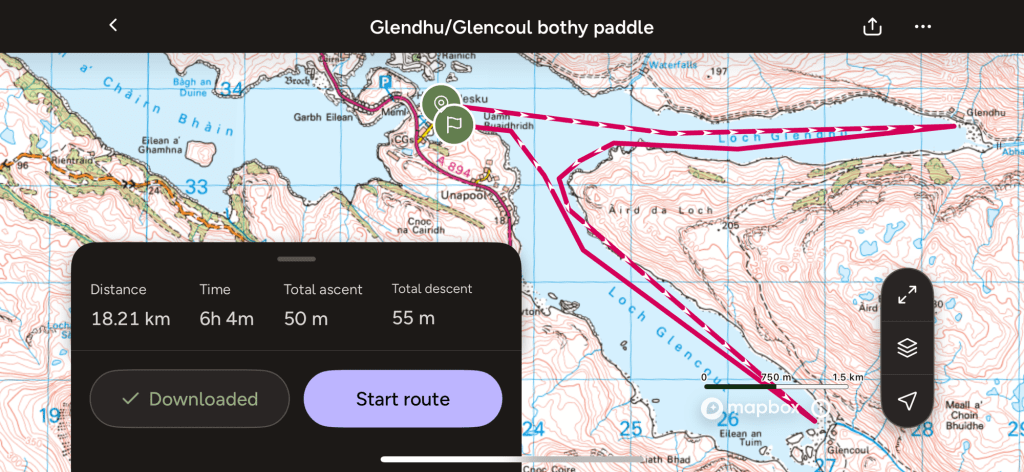
Below you’ll find a map of our route.
And here’s a slideshow of superb photos from resident cameraman Rich.
Glendhu and Glencoul didn’t feel too much like the back of beyond. The space they offered though, away from civilisation, was worth the sore arms and occasional rain.
Some sources suggest that the phrase third time lucky is inspired by the Old English law wherein anyone who survived three hangings would be set free. This law comes from the story of John “Babbacombe” Lee, who was convicted of murder. He was sentenced to hang at Exeter prison, but all three attempts to hang him failed. He was then set free.
After three attempts to get to Loch Glendhu and Loch Glencoul, I’ve also been set free. Free to think about a brand new adventure. Probably with boats. And surely in the back of a different beyond.
 Challenge Kev Outdoors
Your Thoughts?